

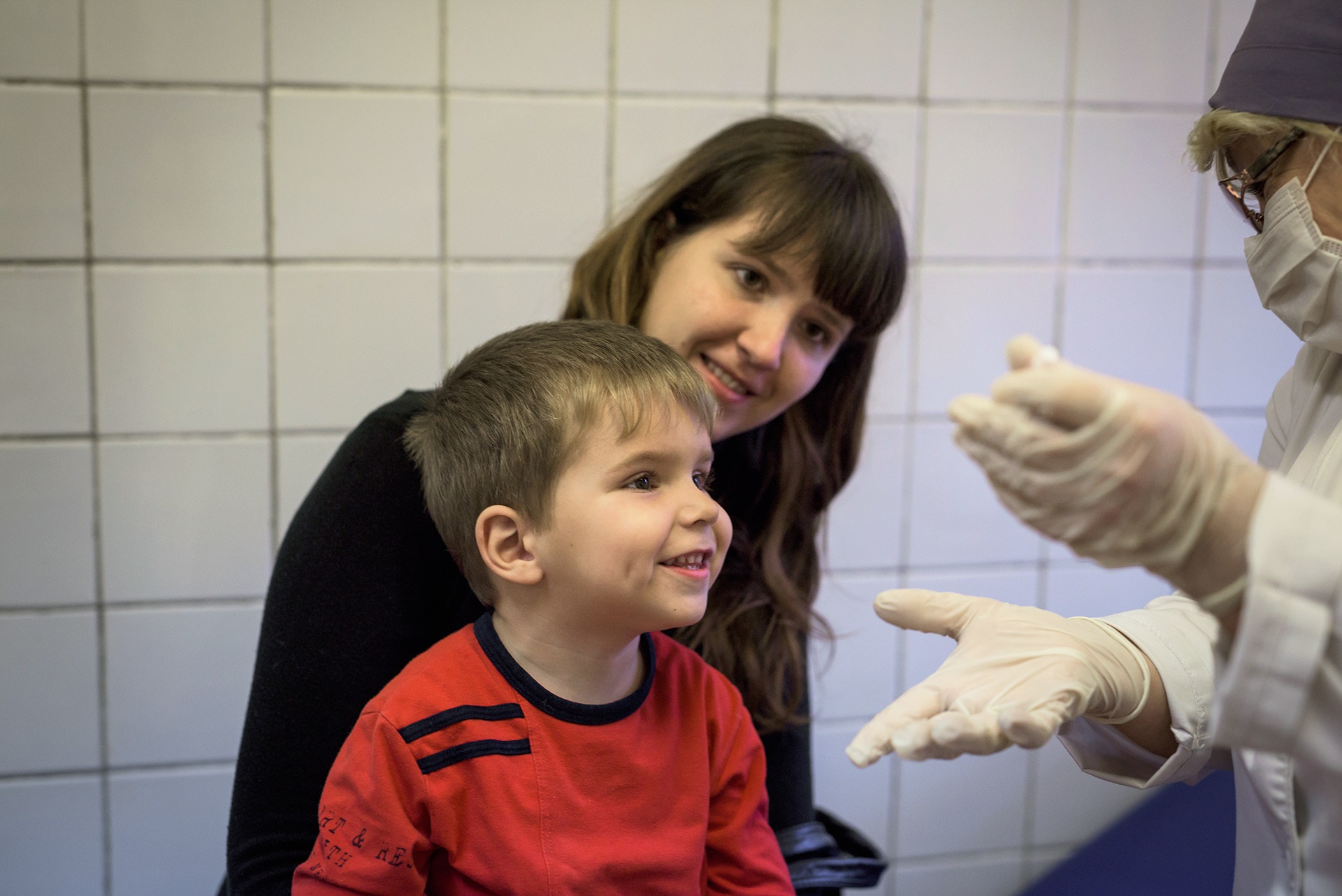
Poliomyelitis (polio)
Poliomyelitis (polio) is a highly infectious and sometimes fatal disease caused by a virus. It invades the nervous system and can cause irreversible paralysis. The disease usually affects children under five years of age.
Polio cannot be cured, but there are safe vaccines that can effectively prevent the disease. Proper polio vaccine, when administered multiple times, can protect a child from this disease for life.
In June 2002, the WHO European Region was certified free of endemic: a notable success. Since certification, more than 90 million infants across the Region have received the recommended three doses of polio vaccine. National and regional surveillance systems and laboratories have ensured that no polio case could have been left undetected. Today, although the Region has experienced several episodes of wild poliovirus importation, a sustained effort of immunization and disease surveillance helps maintain the Region's polio-free status.