
--------------------------------------------------
In memoriam
Dr Bernard Philippon
1939–2026
The World Health Organization (WHO) pays tribute to Dr Bernard Philippon, a distinguished French medical entomologist and public health researcher, who passed away on 28 September 2026 at the age of 87. His decades of dedication to onchocerciasis control helped lay the foundations for today's efforts to eliminate river blindness in Africa.
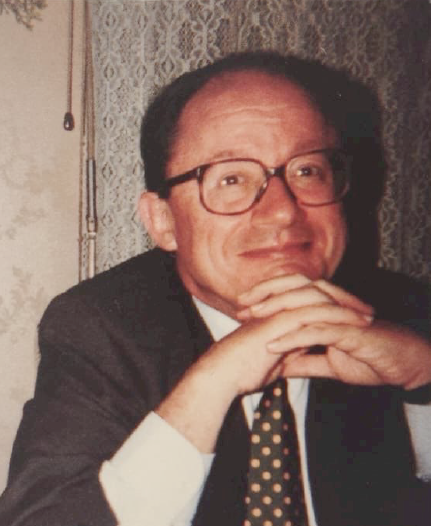
Dr Philippon contributed his scientific expertise and technical leadership from the early years of the Onchocerciasis Control Programme in West Africa (OCP) through to the African Programme for Onchocerciasis Control (APOC).
A Research Director at France's Institut de recherche pour le développement (IRD), formerly ORSTOM, Dr Philippon devoted much of his career to understanding and controlling the blackflies that transmit Onchocerca volvulus, the parasite responsible for river blindness.
As former Head of the OCP Vector Control Unit, he contributed to the programme's pioneering large-scale vector control efforts across West Africa. Launched in 1974, OCP combined scientific research, entomological surveillance and coordinated interventions to interrupt disease transmission. By its closure in 2002, OCP had helped bring onchocerciasis under control in 11 countries, preventing an estimated 600 000 cases of blindness.
Dr Philippon's research advanced scientific understanding of blackfly ecology, vector control and onchocerciasis transmission, strengthening the evidence base for effective disease-control strategies.
Throughout his career, Dr Philippon placed particular emphasis on sharing his knowledge and strengthening research capacity in the African countries where he worked. He was deeply committed to mentoring and training young African scientists in tropical disease research. Many of those he mentored continue to carry forward his legacy and passion for applied field research.
His commitment continued through APOC, launched in 1995 to extend onchocerciasis control to other endemic African countries. As a member of APOC's Technical Consultative Committee, he contributed his experience to technical guidance and programme discussions, helping connect scientific research with practical public health interventions.
Dr Philippon also served as Director of ORSTOM's Department of Health from 1989 to 1997. In recognition of his contributions, he was appointed Chevalier of the French Legion of Honour and Officer of the French National Order of Merit.
His legacy lives on through the scientists he mentored, the programmes he helped shape and the continued efforts to eliminate onchocerciasis in Africa.
WHO extends its sincere condolences to his family, friends, former colleagues and the wider onchocerciasis community.
--------------------------------------------------